

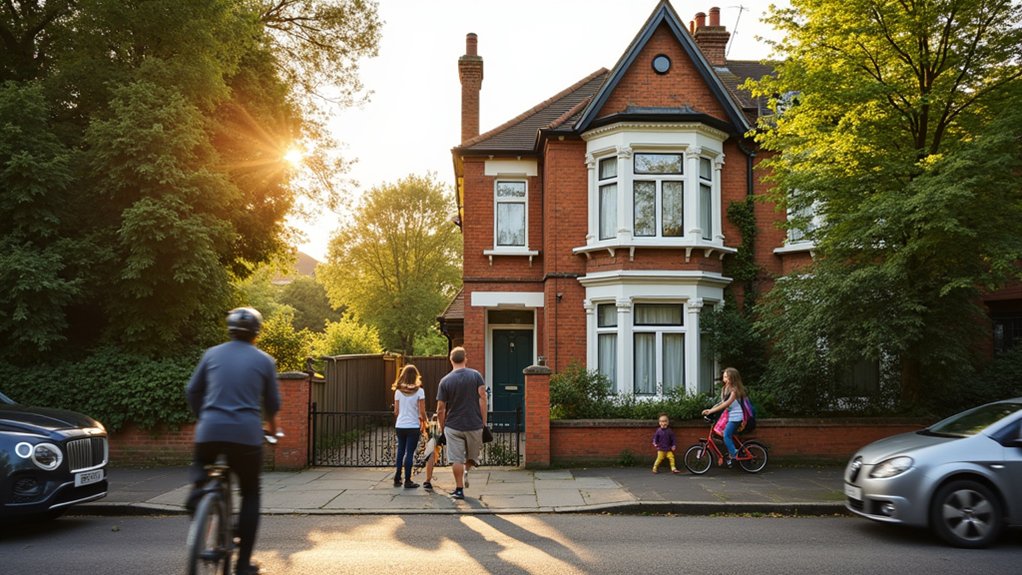
You probably don’t know that in Dulwich, buyers often pay more for certainty than extra square footage, especially when extensions and upgrades are fully documented. You’ll get stronger offers when you show clean plans, sign‑offs, and proof of recent works, then back it up with practical wins like off‑street parking, side access, and bright, low‑maintenance space. The difference between a good price and a premium usually comes down to a few specific factors—starting with where you are on the map.
What Dulwich Buyers Pay a Premium For
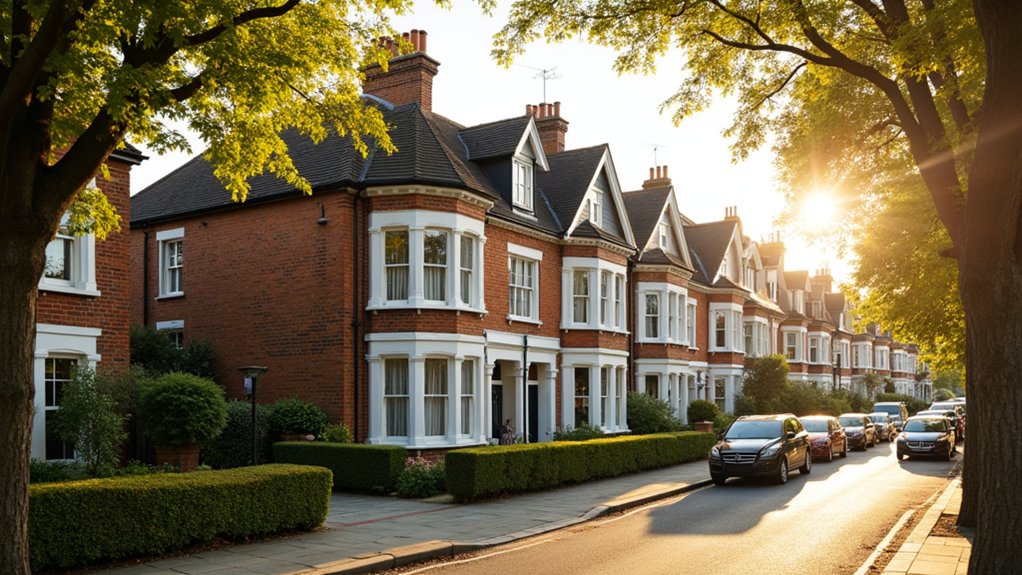
Because detached and semi-detached stock in Dulwich is limited, buyers will pay a clear premium for homes that reduce hassle and risk—think a proven side-return or loft extension with sign-off, a clean freehold/lease setup, and a well-presented, low-maintenance garden.
While also delivering the “Dulwich essentials” they can’t easily add later, such as off-street parking, strong natural light, and a quiet, family-friendly street within easy reach of the village, parks, and top-performing schools.
You’ll also win by proving performance: recent boiler/service records, EPC improvements, damp guarantees, and compliant electrics.
Prioritise Luxury upgrades that photograph well and cut running costs: zoned heating, acoustic glazing, induction-ready kitchens, and durable stone or engineered oak.
Finally, highlight Neighborhood amenities with walk-time accuracy—station links, nurseries, and green spaces—so buyers justify the premium fast.
Dulwich Detached vs Semi‑Detached: What Wins Offers
To win the strongest offer in Dulwich, you need to position your home around what buyers can’t easily compromise on: space, privacy, and plot.
You’ll then sharpen the pitch with street appeal and character, showing exactly how the layout and frontage justify the asking price.
Finally, you’ll weigh price, competition, and value so you can set terms that beat nearby detached or semi‑detached comparables without leaving money on the table.
Space, Privacy, And Plot
When buyers compare Dulwich detached and semi‑detached homes, they’re usually paying for three things: usable internal space, day‑to‑day privacy, and the plot’s “future value” (garden size, width, access, and scope to extend).
If you’re semi‑detached, you can still win offers by proving space works harder: open sightlines, built‑in storage, and a clear “third bedroom or office” setup.
Then tackle noise and overlooking with fast ROI privacy solutions like acoustic insulation on the party wall, taller fencing, and strategic planting.
Plot is where you justify a premium: show measured garden depth, side access for bikes/builders, and a credible extension zone.
Strong garden design turns that potential into certainty, helping buyers price in upside rather than risk.
Street Appeal And Character
Although square footage and plot size set the baseline, street appeal and character often decide who pays the premium in Dulwich—especially in the first 30 seconds outside your front door. You win that moment by making the approach feel cared for: crisp edging, weed-free paving, clean bins, and intentional garden landscaping that frames the entrance, not conceals it.
Detached homes tend to benefit from symmetry and wider frontage, so emphasise proportion with matching planters, lighting, and a freshly painted gate or fence.
Semi‑detached homes can outshine by leaning into individuality: highlight original architectural details like brickwork, sash windows, or a well-restored porch, and ensure the side return looks purposeful, not forgotten.
Keep sightlines clear, repair gutters, and choose one coherent colour palette so photos and viewings align.
Price, Competition, And Value
Street appeal gets buyers to book and turn up, but price and positioning decide how many of them compete and how far they’ll stretch. Set your asking price off live comparables, not last season’s headlines, and track Market trends weekly: interest-rate moves, school-term timing, and stock levels in Dulwich.
Detached homes usually win on scarcity and privacy, so you can price tighter if your layout, parking, and garden depth beat rivals. Semi-detached wins offers when you anchor value: show the cost-to-replicate uplift (rear extension, loft, EPC upgrades) and keep pricing within the “move-up” band your buyer demographics can fund.
Create competition by listing just below the next search bracket, offer a sharp launch window, and hold viewings close together to force decisions.
Which Dulwich Streets and Pockets Sell Fastest
Because buyers in Dulwich tend to decide quickly once a location matches their commute and school priorities, the fastest-selling detached and semi-detached homes usually cluster in a few proven micro‑pockets: the Dulwich Village core (around the Village triangle and the best‑performing primary catchments), the East Dulwich “Overground-to-the-City” zone near North Cross Road and Lordship Lane, and the streets that sit within an easy walk of Dulwich Park and the station links.
To maximise ROI, you should spotlight walk-times: 6–10 minutes to stations, 3–7 to parks, and quick routes to top schools.
Buyers pay for Historical architecture when it’s paired with modern upkeep and low-risk surveys. You’ll sell faster if you show Local amenities—cafés, Saturday markets, gyms, and nurseries—within a short, verified stroll.
Space and Layout That Fit Family Life in Dulwich
Once you’ve nailed the right Dulwich pocket, layout becomes the deciding factor for family buyers—and the quickest ROI wins come from homes that “work” on day one. Prioritise a clear ground-floor flow: a proper entrance hall (not straight into reception), a kitchen-family room zone with sightlines, and a separate snug or study for hybrid work.
If you’ve got a side return or rear extension, show how it improves circulation, not just square footage. Upstairs, buyers pay for three usable bedrooms, not box rooms; stage one as a nursery or homework room. Add a dedicated utility and storage to reduce clutter.
Don’t overlook home security: visible alarm, smart locks, and good lighting. Sell proximity to local amenities with a walk-time map to schools, parks, and the station.
Gardens, Parking, and Side Access Buyers Expect
Layout sells the interior, but family buyers in Dulwich also run the numbers on outside usability: a low-maintenance garden, workable parking, and side access that makes daily life easier.
You’ll get stronger offers if your garden design reads as usable space: a level lawn or terrace, clear zones for dining and play, and planting that won’t swallow light or weekends. Keep boundaries crisp, pathways wide, and storage obvious (bike/bin areas) so buyers can map routines fast.
Parking solutions matter just as much: show off-street parking dimensions, turning ease, and where guests can stop legally. If you’ve got a dropped kerb, highlight it; if not, present permits and nearby bays clearly.
Side access should feel secure, well lit, and pram-friendly.
Condition vs Potential: What “Needs Work” Is Worth
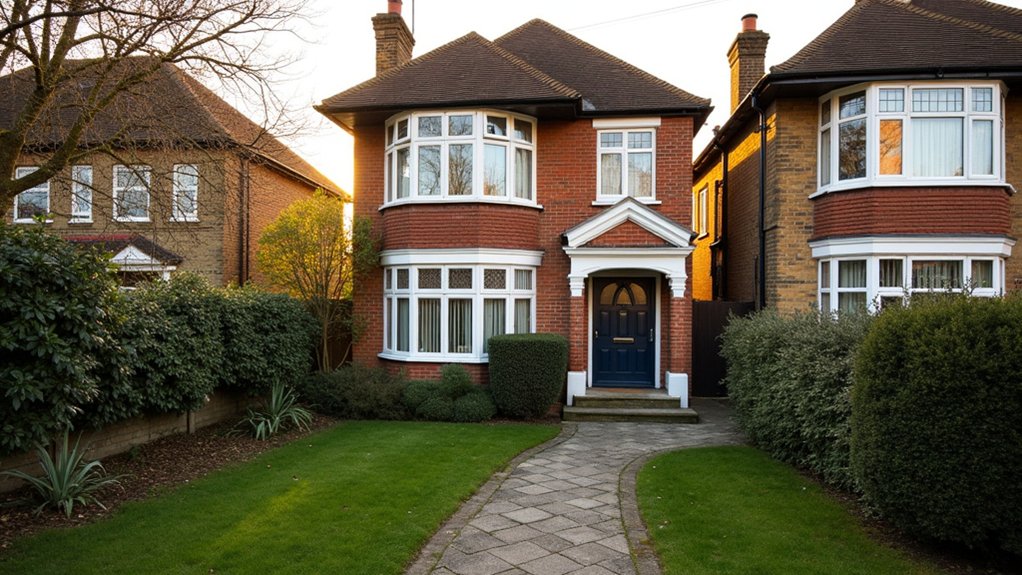
While a “needs work” label can scare off time-poor Dulwich family buyers, you can often turn it into leverage if you’re clear on what’s truly fixable versus what drags value. Start by separating cosmetic from structural: tired décor, worn carpets, and dated bathrooms are negotiable; damp, movement, or roof issues spook lenders and slash offers.
Price honestly against renovated comparables, then show your maths—itemise renovation costs with contractor quotes and realistic contingencies, not wishful estimates. If you can, complete high-ROI property upgrades that reduce perceived hassle: repaint throughout, fix leaks, service boilers, replace broken glazing, and tidy joinery.
Stage one “finished” room to signal the end result. Buyers pay more when the scope feels bounded and the timeline believable.
Energy Efficiency and Running Costs That Matter Now
Buyers who can stomach a bit of cosmetic work still want certainty on monthly bills, and energy performance now feeds straight into offer price and lender comfort. You’ll win demand by showing hard numbers: EPC rating, recent kWh usage, and annual gas/electric spend.
If you’ve added solar panels, document installation date, warranty length, inverter age, and export payments; buyers treat these like an income stream that offsets mortgage costs.
Prioritise insulation improvements with fast payback: loft top‑ups, cavity wall fill (with guarantees), and draught-proofing around sash windows and doors.
Service the boiler, note flow temperature settings, and add smart thermostats only if you can show lower bills.
Provide certificates and photos so surveyors don’t mark “assumed” performance.
Pricing and Timing Your Dulwich Sale for Competition
You’ll win more viewings and stronger offers in Dulwich when you set a competitive asking price that reflects recent sold comparables, current stock levels, and your home’s condition.
Price too high and you’ll burn your best weeks on the market; price right and you’ll create urgency that protects your net result.
Next, you’ll pick the timing that maximises buyer demand—launching when motivated families are active and competing, not when attention is split or listings flood in.
Setting A Competitive Price
If you set your asking price using today’s Dulwich comparables rather than last season’s optimism, you’ll attract more viewings in the first two weeks and protect your final sale price.
Pull three to five recent sales matching your house type, size, and condition, then adjust for plot depth, parking, and extension quality. Use local market trends like average days on market, achieved-to-asking ratios, and price reductions to pick a number that’s defendable.
Price in a tight band where buyers can stretch without needing “hope value.” Quantify premiums for neighborhood amenities—catchment, parks, stations, and high street—only when buyers actually pay for them in closed deals.
Leave room for negotiation, but don’t overreach; fewer serious offers cost you more.
Choosing The Best Timing
While a well-priced Dulwich detached or semi can sell at any time, the timing of your launch still shapes how much competition you create in week one. Track local market trends: new instructions, average days on market, and achieved-to-asking ratios in SE21, not just London headlines.
If listings spike but sales don’t, you’ll need sharper presentation and tighter pricing to win clicks and viewings.
Use seasonal shifts to your advantage. Spring and early autumn often deliver the broadest buyer pool, but midweek launches (Tuesday–Thursday) can maximise portal momentum.
Avoid launching into a bank-holiday lull unless you’re testing a higher guide price.
Align photography, floorplans, and compliance checks so you hit the market ready, not “coming soon.”
Frequently Asked Questions
How Long Does Conveyancing Usually Take for Dulwich Freehold Houses?
Conveyancing for Dulwich freehold houses usually takes 8–12 weeks; think town crier-speed at best. You’ll cut delays by syncing Property valuation early, tracking Market trends, and chasing searches, mortgage offers, and enquiries weekly.
Do I Need Planning Permission for a Rear Extension Before Selling?
You don’t always need planning permission for a rear extension, but you must check permitted development and obtain building regulations sign-off. Confirm certificates to protect ROI, control extension costs, and reassure buyers with clear documentation.
What Documents Do Buyers Expect Beyond the EPC and Title Deeds?
Beyond EPC and deeds, you’ll need a paper trail like breadcrumbs: Property disclosure forms, planning/building control certificates, warranties, guarantees, service records, lease info, and invoices. You’ll speed Buyer due diligence and protect ROI.
Should I Use a Local Dulwich Agent or a National Online Agent?
You’ll usually get better ROI with a local Dulwich agent: you leverage Agent expertise on pricing and negotiation while still demanding strong Online marketing. Choose online only if you’re confident managing viewings and follow-up.
How Can I Reduce the Chance of a Buyer Pulling Out Late?
Keep the sale from taking an unexpected detour by qualifying buyers early, insisting on proof of funds, and using fast solicitors. Use Home staging to lock commitment, and manage Seller negotiations with clear timelines and incentives.