

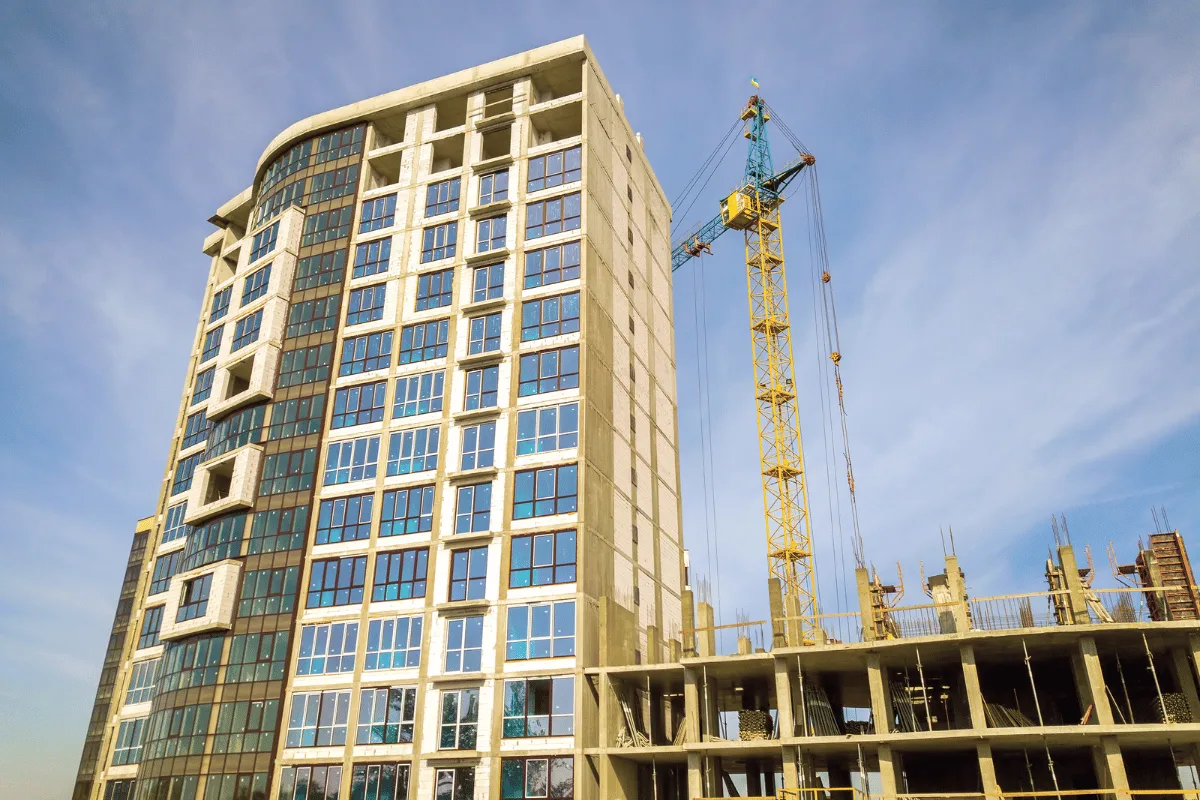
Building and construction continue to shape the world around us by creating homes, commercial buildings, industrial facilities, schools, healthcare centers, transportation infrastructure, and public spaces. Every successful construction project begins with thoughtful planning, quality materials, skilled craftsmanship, and efficient project management. As technology evolves and environmental concerns become increasingly important, modern construction practices have shifted toward greater efficiency, sustainability, and long-term performance.
Whether developing residential neighborhoods or constructing large commercial complexes, today’s construction industry focuses on delivering durable structures while minimizing waste, reducing costs, and improving safety. Careful coordination among architects, engineers, contractors, and project managers ensures that every phase progresses according to schedule while maintaining quality standards.
The Importance of Proper Planning
Every successful construction project starts with comprehensive planning. Before construction begins, professionals evaluate site conditions, establish project objectives, estimate budgets, create timelines, and obtain the necessary permits. Early planning helps identify potential challenges before they become costly issues during construction.
Accurate planning also improves communication between stakeholders. Designers, engineers, suppliers, and contractors work together to coordinate materials, labor, equipment, and scheduling. This collaborative approach reduces delays while improving productivity throughout the project lifecycle.
Essential Phases of Construction
Construction projects generally progress through several key stages. Site preparation involves clearing land, grading surfaces, and preparing foundations. Once the foundation is complete, framing creates the building’s structural framework. Roofing, exterior walls, windows, and doors follow, protecting the structure from weather conditions.
Mechanical, electrical, and plumbing systems are then installed before interior finishing begins. Flooring, drywall, painting, cabinetry, lighting, and fixtures complete the building’s interior. Final inspections verify compliance with safety regulations before occupancy approval is granted.
Choosing Quality Construction Materials
Material selection directly influences the durability, appearance, maintenance requirements, and energy efficiency of a building. Concrete remains one of the most widely used construction materials because of its strength and versatility. Steel provides exceptional structural support for commercial and industrial buildings, while timber continues to be popular for residential construction.
Modern materials such as engineered wood products, fiber cement siding, insulated concrete forms, and composite decking provide additional performance advantages. Selecting materials based on climate conditions, intended use, maintenance expectations, and sustainability goals helps maximize long-term value.
Sustainability in Modern Construction
Sustainable building practices have become a major priority throughout the construction industry. Builders increasingly incorporate environmentally responsible materials, energy-efficient systems, and waste reduction strategies into both residential and commercial projects. Green construction minimizes environmental impact while lowering long-term operating costs.
Energy-efficient windows, advanced insulation, LED lighting, solar energy systems, water-saving fixtures, and recycled construction materials all contribute to sustainable building performance. Careful site planning also preserves natural resources and reduces unnecessary environmental disruption.
Technology Transforming Construction
Technology has dramatically improved construction efficiency over the past decade. Building Information Modeling (BIM) allows architects, engineers, and contractors to visualize projects digitally before construction begins. These detailed models help identify design conflicts early, reducing costly modifications during construction.
Drones provide accurate site surveys and monitor project progress, while laser scanning creates precise measurements for renovations and large developments. Mobile applications improve communication among project teams by providing instant access to schedules, drawings, inspection reports, and project updates from virtually any location.
Construction Safety Remains a Priority
Safety is one of the most critical aspects of every construction project. Comprehensive safety programs protect workers, visitors, equipment, and surrounding properties. Personal protective equipment, regular safety training, equipment inspections, and clearly defined emergency procedures help reduce workplace accidents.
Construction managers continuously monitor job sites to ensure compliance with established safety standards. Proper planning, hazard identification, and ongoing communication create safer working environments while improving overall project efficiency.
Project Management and Coordination
Successful construction depends on effective project management. Coordinating subcontractors, scheduling material deliveries, monitoring budgets, and maintaining quality standards require careful organization throughout every stage of construction.
Project managers oversee timelines, communicate with stakeholders, resolve unexpected challenges, and ensure that work progresses according to plan. Strong leadership helps maintain productivity while keeping projects on schedule and within budget.
Residential Construction Trends
Homeowners increasingly seek comfortable, energy-efficient, and flexible living spaces. Open floor plans, home offices, outdoor living areas, smart home technology, and energy-efficient appliances have become common features in modern residential construction.
Builders also emphasize durable exterior materials, improved insulation, better ventilation systems, and sustainable landscaping. These improvements increase property value while reducing maintenance and utility costs over time.
Commercial Construction Developments
Commercial construction continues evolving to meet changing business needs. Office buildings incorporate flexible workspaces, collaborative environments, advanced technology infrastructure, and improved indoor air quality. Retail developments emphasize customer experience, accessibility, and efficient space utilization.
Healthcare facilities, educational institutions, warehouses, and manufacturing plants also integrate advanced building systems designed to improve efficiency, comfort, and long-term operational performance.
Infrastructure and Public Projects
Infrastructure construction supports economic growth by improving transportation, utilities, and public services. Roads, bridges, airports, water treatment facilities, and public transit systems require careful engineering and long-term planning to serve growing communities effectively.
Public infrastructure projects often involve multiple government agencies, engineering consultants, contractors, and environmental specialists working together to complete complex developments while minimizing community disruption.
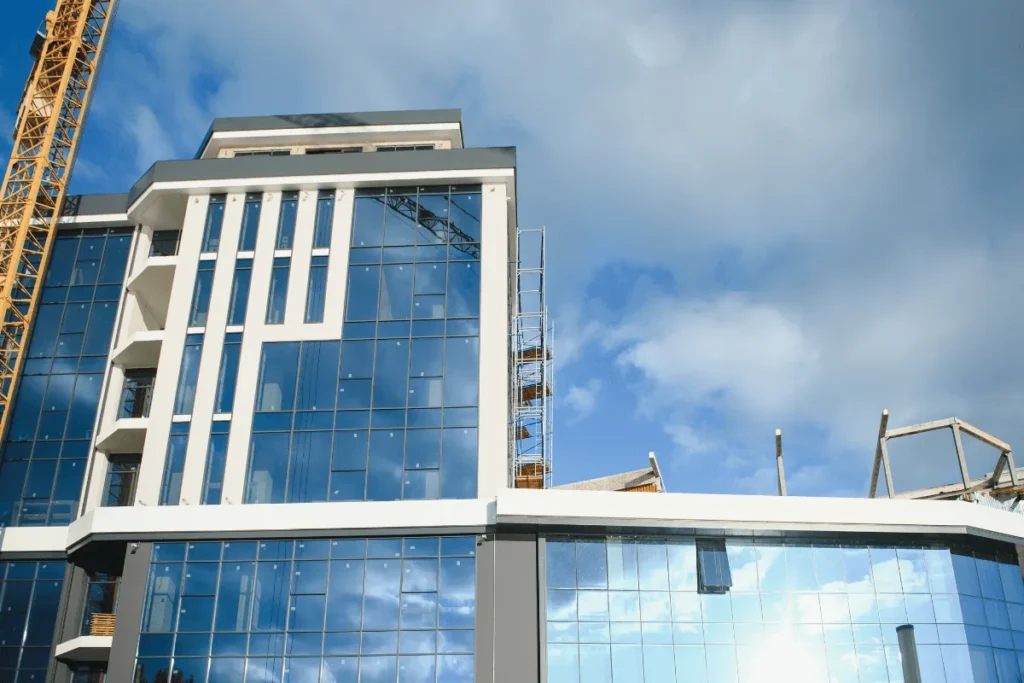
The Value of Skilled Construction Professionals
Experienced construction professionals play an essential role in delivering quality results. Architects transform ideas into functional designs, engineers ensure structural integrity, and skilled tradespeople bring projects to life through expert craftsmanship.
Electricians, plumbers, carpenters, masons, roofers, painters, HVAC technicians, and equipment operators each contribute specialized expertise throughout the construction process. Their combined knowledge helps ensure buildings meet both performance expectations and regulatory requirements.
Managing Costs Without Sacrificing Quality
Budget management remains a key consideration for every construction project. Careful planning, accurate estimating, competitive supplier pricing, and efficient scheduling help control costs while maintaining high-quality workmanship.
Investing in durable materials and experienced professionals often reduces long-term maintenance expenses, repairs, and operational costs. A balanced approach focuses on lifetime value rather than simply minimizing initial construction expenses.
Future Innovations in Construction
The construction industry continues embracing innovation through automation, robotics, artificial intelligence, modular construction, and prefabricated building systems. These technologies improve productivity, reduce waste, and enhance project accuracy while addressing labor shortages across many regions.
Smart buildings equipped with automated lighting, climate control, security systems, and energy monitoring technologies provide greater efficiency and occupant comfort. As digital technologies continue advancing, construction processes will become even more connected, data-driven, and sustainable.
Building for Long-Term Success
Every successful building represents careful planning, skilled craftsmanship, quality materials, and effective project management working together toward a common goal. Whether constructing a family home, commercial office, educational facility, or public infrastructure project, long-term durability depends on maintaining high standards throughout every phase of construction.
Modern building practices continue evolving to meet growing demands for sustainability, safety, efficiency, and innovation. By combining traditional craftsmanship with advanced technology and responsible construction methods, the industry creates structures designed to serve communities for generations while supporting economic growth and environmental responsibility.