

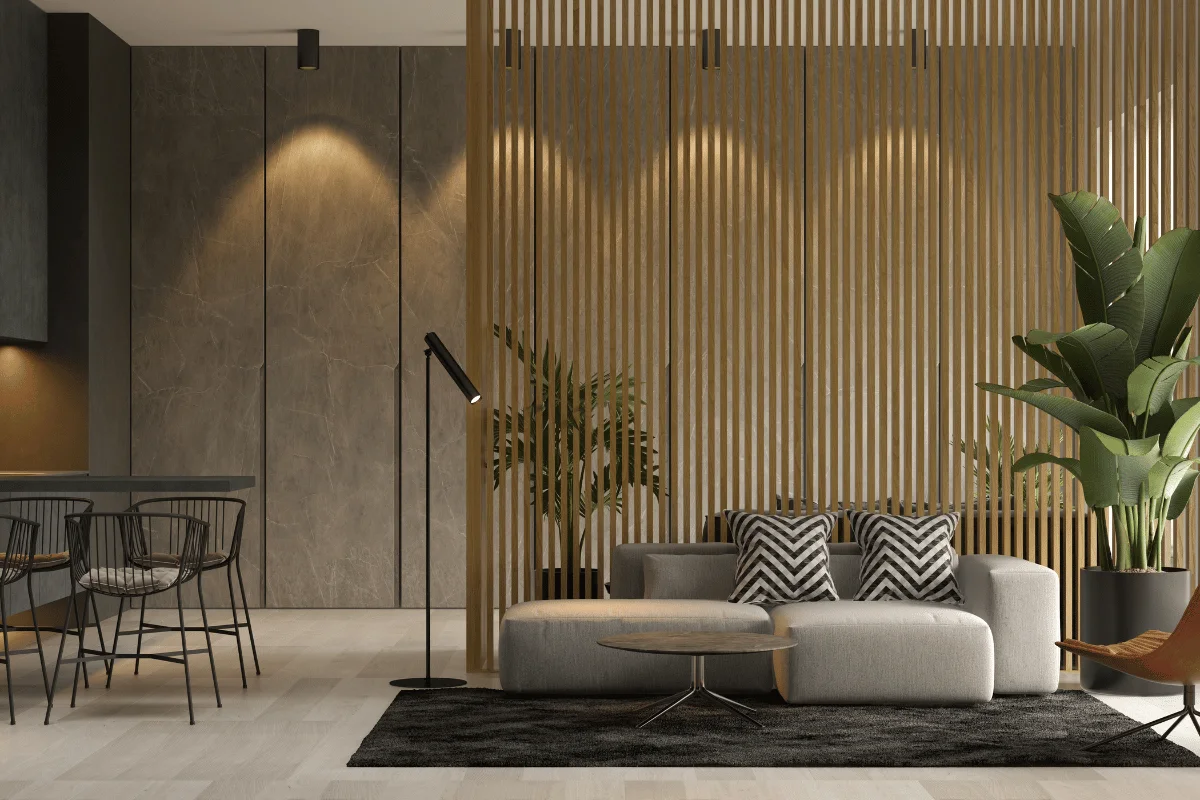
Interior design is much more than choosing attractive furniture or decorating with beautiful accessories. It is the art of creating spaces that combine comfort, functionality, and visual appeal while reflecting the personality and lifestyle of the people who use them. Every room should feel inviting, practical, and well-balanced, whether it is a cozy apartment, a spacious family home, a modern office, or a commercial environment. Thoughtful interior planning improves everyday living by making spaces easier to use while enhancing their overall appearance.
Modern interiors focus on maximizing natural light, selecting quality materials, incorporating efficient storage, and maintaining a cohesive design throughout the property. From selecting the right color palette to arranging furniture effectively, every decision contributes to a space that feels organized, welcoming, and timeless.
The Foundation of Great Interior Design
Every successful interior begins with careful planning. Before choosing furniture, paint colors, or decorative pieces, it is important to evaluate the available space, understand its purpose, and identify the needs of those who will use it. A well-planned layout improves movement throughout the room while ensuring every element serves a practical function.
Designers often begin by considering room dimensions, lighting conditions, architectural features, and existing structural elements. This foundation helps create interiors that remain both beautiful and highly functional for years to come.
Choosing the Right Color Palette
Color plays one of the most significant roles in interior design. The right palette influences mood, creates visual balance, and enhances the perception of space. Neutral shades such as white, beige, gray, and soft earth tones continue to remain popular because they provide flexibility while allowing furnishings and decorative accents to stand out.
Bold colors can be introduced through feature walls, artwork, textiles, or decorative accessories without overwhelming the room. Layering complementary colors creates depth while maintaining harmony throughout the interior.
Furniture That Balances Comfort and Style
Furniture should support both everyday functionality and overall design aesthetics. Choosing pieces that fit the room proportionally prevents overcrowding while maximizing usable space. Comfortable seating, durable dining tables, quality beds, and practical storage furniture all contribute to a well-designed interior.
Investing in timeless furniture often provides greater long-term value than following short-lived trends. Simple silhouettes, quality craftsmanship, and durable materials ensure furniture remains attractive and functional through changing design preferences.
Lighting Creates Atmosphere
Lighting dramatically affects the appearance and comfort of every room. Natural light remains one of the most valuable design features, making spaces feel brighter, larger, and more inviting. Maximizing daylight through large windows, glass doors, and reflective surfaces enhances the overall ambiance.
Artificial lighting should include a combination of ambient, task, and accent lighting. Ceiling fixtures provide general illumination, while table lamps, floor lamps, under-cabinet lighting, and wall sconces create warmth, highlight architectural details, and improve functionality throughout the home.
Maximizing Space with Smart Storage
Clutter can quickly diminish even the most beautifully designed interior. Effective storage solutions help maintain organization while preserving a clean, open appearance. Built-in shelving, multifunctional furniture, concealed cabinets, and custom storage systems maximize available space without compromising aesthetics.
In smaller homes or apartments, furniture with hidden storage compartments provides additional flexibility. Organized interiors not only look more attractive but also improve daily convenience and reduce household stress.
The Importance of Texture and Materials
Texture adds visual interest and creates a more inviting environment. Combining wood, stone, glass, metal, fabric, and natural fibers introduces contrast while maintaining balance. Soft textiles such as rugs, curtains, cushions, and upholstered furniture create warmth, while harder materials provide durability and structural character.
Natural materials continue to grow in popularity because they bring warmth, authenticity, and timeless appeal to both traditional and contemporary interiors.
Creating Functional Living Areas
Living rooms often serve as the central gathering place within a home. Comfortable seating arrangements encourage conversation while maintaining clear pathways for movement. Coffee tables, entertainment centers, shelving, and carefully selected décor contribute to both functionality and style.
Open-concept living spaces benefit from clearly defined zones using furniture placement, area rugs, lighting, or decorative elements. These subtle divisions create purpose without interrupting the natural flow of the room.
Designing Practical Kitchens
Modern kitchens combine efficiency with visual appeal. Functional layouts simplify meal preparation by organizing cooking, cleaning, and food storage areas within easy reach. Durable countertops, quality cabinetry, energy-efficient appliances, and sufficient lighting all contribute to a highly practical workspace.
Large kitchen islands continue to gain popularity by providing additional preparation space, casual seating, and extra storage while serving as gathering points for family and guests.
Comfortable and Relaxing Bedrooms
Bedrooms should provide a peaceful environment that encourages relaxation and restful sleep. Soft color palettes, comfortable bedding, quality mattresses, blackout curtains, and carefully controlled lighting all contribute to creating a calming atmosphere.
Storage solutions such as built-in wardrobes, bedside tables, and under-bed storage help maintain an uncluttered appearance while maximizing available space.
Bathroom Design for Everyday Comfort
Bathrooms have evolved into personal wellness spaces that balance luxury with functionality. Walk-in showers, freestanding bathtubs, floating vanities, large mirrors, and efficient storage create clean, modern interiors while maximizing comfort.
Water-resistant materials, proper ventilation, and high-quality fixtures improve durability while reducing maintenance over time.
Decorative Elements That Add Personality
Decorative accessories complete the overall design by introducing character and individuality. Artwork, indoor plants, decorative mirrors, sculptures, books, candles, and carefully selected textiles personalize each room without creating visual clutter.
Layering decorative accents thoughtfully allows homeowners to update interiors seasonally or as personal preferences evolve without requiring major renovations.
Sustainable Interior Design
Sustainability has become an important consideration in modern interiors. Many homeowners now prioritize environmentally responsible materials, energy-efficient lighting, low-emission finishes, recycled furnishings, and responsibly sourced wood products. These choices reduce environmental impact while supporting healthier indoor environments.
Quality materials that last longer also minimize replacement costs and reduce waste over the lifetime of the home.
Technology in Modern Interiors
Smart home technology continues transforming interior spaces by improving convenience and energy efficiency. Automated lighting, climate control, security systems, voice-controlled devices, and integrated entertainment systems allow homeowners to manage their environments with greater ease.
Technology can be incorporated discreetly, maintaining clean aesthetics while providing advanced functionality throughout the home.
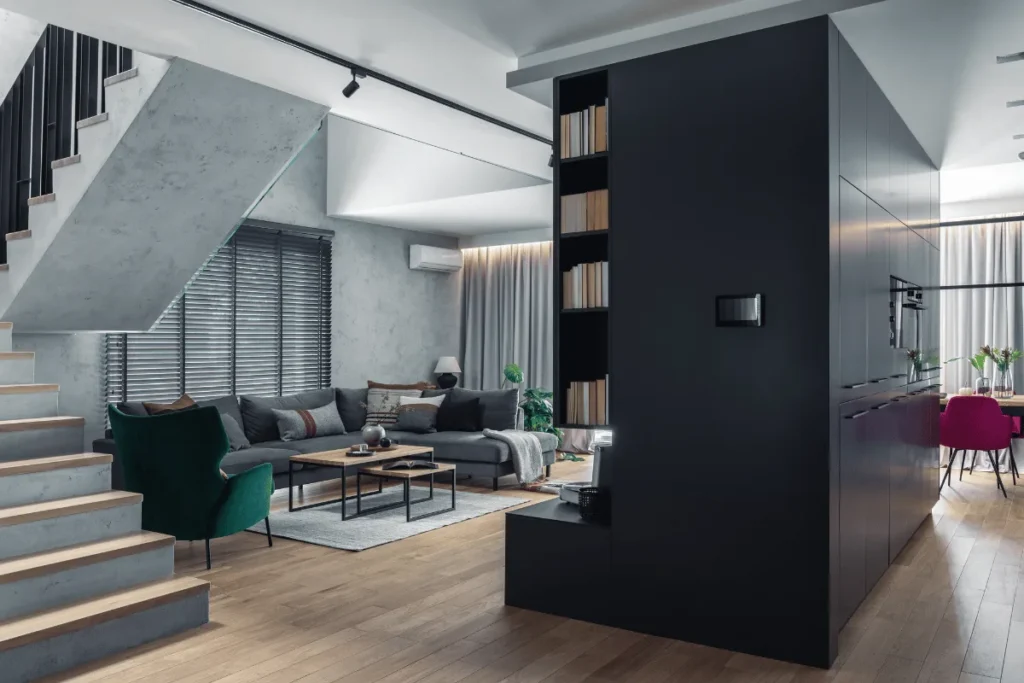
Timeless Design Over Temporary Trends
While design trends constantly evolve, timeless interiors remain attractive for many years. Clean lines, balanced proportions, neutral color schemes, and quality materials create spaces that adapt easily to changing décor preferences. Smaller decorative accents can introduce seasonal updates without requiring complete redesigns.
Prioritizing quality over quantity results in interiors that continue to feel elegant, practical, and welcoming regardless of changing styles.
Creating Spaces That Enhance Everyday Living
Exceptional interior design combines beauty with purpose. Every room should support the daily activities of its occupants while providing comfort, efficiency, and visual harmony. Thoughtful planning, quality craftsmanship, functional layouts, and carefully selected furnishings all contribute to creating interiors that improve quality of life.
Whether updating a single room or designing an entire property, focusing on functionality, balance, and timeless style ensures lasting value. Well-designed interiors not only enhance the appearance of a home but also create welcoming environments where people can relax, work, entertain, and enjoy everyday living with confidence and comfort.