

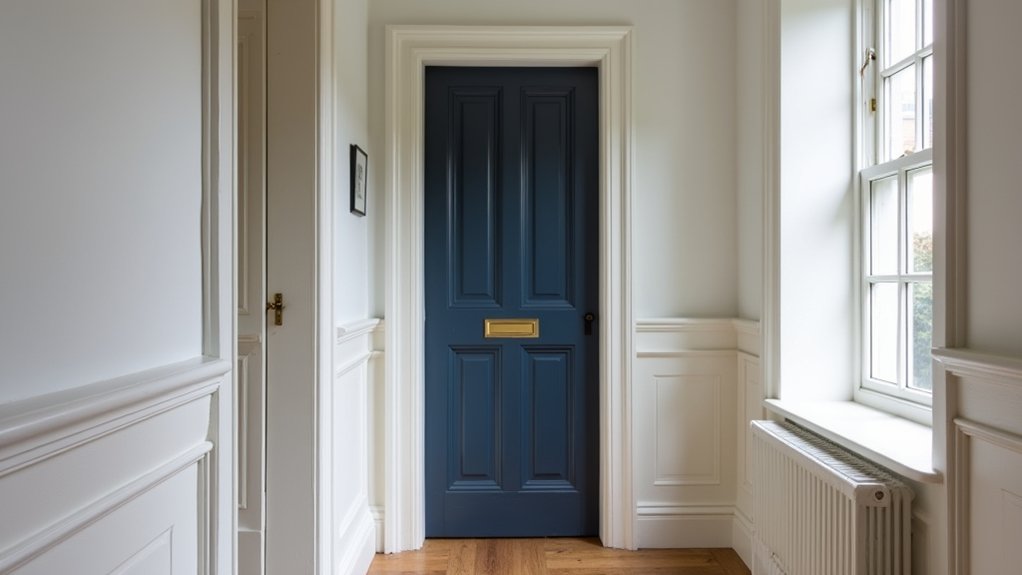
Upgrading interior doors and woodwork can improve your home’s style, privacy and everyday function, but the right result starts with careful planning. Set your priorities and budget, then choose door styles, materials, glazing and finishes that suit each room. Coordinate skirting, architraves and stair details for a consistent look, and allow for accurate measuring, skilled fitting and proper drying times. Overlook one detail, and even an expensive upgrade may disappoint.
Set Your Style, Priorities and Budget
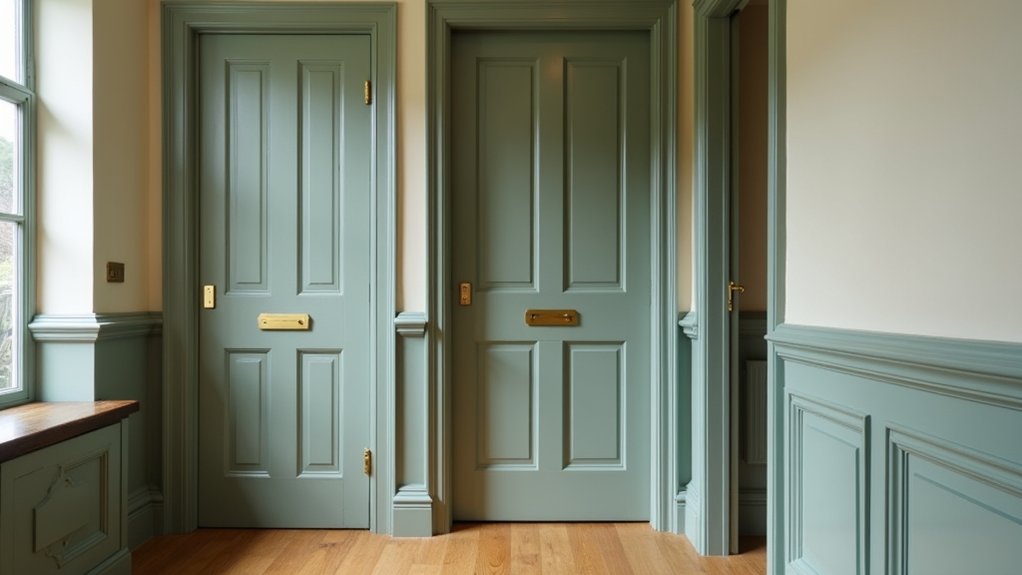
Before choosing new doors or woodwork, define the look you want and rank the changes that matter most. Decide whether you’re aiming for traditional, contemporary, or a balanced style, then create a practical brief for each area without selecting room-specific door designs.
Consider existing skirting, architraves, flooring, and stair components, because consistent profiles and finishes usually produce the most convincing result.
Set a firm budget that includes surveys, removal, preparation, installation, decorating, door hardware, and contingency.
Compare timber, veneer, and engineered products for durability, maintenance, and appearance.
Check insulation options where heat loss, draughts, or noise affect comfort, while recognising that internal doors rarely transform energy efficiency alone.
Obtain itemised quotations, confirm lead times, and reserve funds for adjustments to uneven openings or older plasterwork.
Choose Interior Door Styles by Room
Choose each interior door style according to the room’s function, available space, and overall character rather than treating every opening the same.
For living rooms and dining areas, panelled or glazed designs can create a formal, welcoming *passage* while supporting natural light.
Choose space-saving pocket or sliding doors for compact kitchens, utility rooms, or studies, provided the wall can accommodate the running gear.
Bedrooms benefit from solid, close-fitting doors that improve privacy, while bathrooms need dependable latching and sufficient clearance.
In hallways, consistent proportions help the whole home feel considered, even when individual rooms require different solutions.
Coordinate door hardware with each room’s use, and check that door installation techniques suit the existing frames, floors, and skirting.
Always confirm swing direction, accessibility, and fire-safety requirements before ordering.
Pick the Right Material, Glass and Finish
Choose durable materials that suit each room’s traffic, moisture levels and maintenance needs.
Select glass to balance privacy, natural light and safety, using toughened or laminated options where appropriate.
Finish the doors and woodwork to complement your interior while protecting the surface from everyday wear.
Choose Durable Door Materials
The right door material should suit your room’s moisture levels, traffic and maintenance demands, not just its appearance. Choose moisture-resistant engineered timber for bathrooms, kitchens and utility areas, where temperature changes can cause solid wood to warp.
For bedrooms and living rooms, solid timber offers longevity and can be repaired, while timber veneer provides a stable, cost-effective alternative with a natural look.
High-density fibreboard doors resist dents and deliver consistent performance, but check their moisture rating before fitting them in damp spaces.
Consider the door’s construction, weight and core, as these affect sound reduction, stability and installation.
Match suitable hinges, latches and handles with your choice; Hardware options should support daily use, while security features such as robust locks matter for home offices, cupboards and connecting doors.
Select Glass and Finishes
When selecting interior door glass and finishes, consider how much light, privacy, and daily wear each room demands. Choose clear glass for maximum brightness, but use frosted, reeded, or obscure options where you need screening, such as bathrooms, studies, or bedrooms.
Compare glass patterns with your home’s architecture; traditional bevelled designs suit period properties, while clean lines complement modern interiors.
For safety, specify toughened or laminated glass, particularly in doors near stairs or busy family areas.
Your finish should withstand frequent cleaning and contact. Painted timber offers flexible colour matching, whereas lacquered or factory-finished wood highlights natural grain and usually needs less maintenance.
Review finish textures in daylight before deciding: smooth surfaces feel contemporary, while brushed or lightly textured coatings disguise minor marks.
Always check samples against flooring, skirting, and existing joinery.
Match Skirting, Architraves and Stair Woodwork
Aim to match the new door’s skirting, architraves and stair woodwork by repeating its finish, profile or colour across the room. Matching skirting, architraves, and stair woodwork creates a deliberate, joined-up look, particularly where a hallway connects several rooms.
If you’re fitting natural timber doors, check that surrounding woodwork has a compatible grain and tone; exact matches aren’t essential, but undertones should work together. With painted doors, use one durable colour on trims and stair components, or keep the staircase timber as a contrasting feature.
Coordinating wood finishes also means comparing sheen: satinwood, eggshell and clear lacquer reflect light differently. Where profiles vary, match the new architrave to the closest existing detail rather than mixing several designs.
Replace damaged sections selectively, and use connection points at doorways to make changes appear intentional.
Price Doors, Fitting and Finishing
You’ll need to budget for the door material, including its construction, finish and hardware.
Add fitting labour rates, which vary with the door type, frame condition and installation complexity.
Finally, allow for finishing and decoration, such as painting, staining or repairing surrounding woodwork.
Door Material Costs
Door costs in the UK depend on the material, design, finish and installation requirements, with standard hollow-core doors generally offering the lowest price and solid timber or glazed designs costing more.
A basic moulded door may suit bedrooms, while engineered timber offers greater stability and a more substantial feel at a moderate price.
Solid oak, walnut and bespoke hardwood doors command higher prices, but they can provide excellent material durability when properly sealed.
Don’t overlook door hardware: handles, hinges, latches and privacy locks can add considerably to the total, especially with premium finishes.
Factory-primed doors usually cost more initially but reduce preparation time and deliver a consistent surface.
Painting, staining or varnishing also affects your budget.
Compare like-for-like quotations, including door, hardware and finishing materials, before choosing.
Fitting Labour Rates
Once you’ve priced the door and hardware, allow for fitting and finishing labour. Fitting labour rates vary with door weight, frame condition, access, and whether the installer must alter hinges, latches, or architraves.
As a guide, a straightforward internal-door installation may take several hours, while resizing openings or correcting uneven frames increases the charge. Ask for an itemised quotation separating supply, fitting, removal, and waste disposal.
Confirm whether the price includes ironmongery installation and any necessary adjustments, rather than assuming they’re covered. Compare like-for-like written quotes, and check that the installer carries suitable insurance and understands your door manufacturer’s requirements.
During contractor negotiations, discuss daily or fixed rates, estimated hours, and potential variations before work starts. Agree how you’ll approve unforeseen costs, then keep the scope and payment schedule in writing.
Finishing And Decoration
Finishing costs depend on whether you’re painting, staining, or varnishing the door, and whether the frame, architraves, and skirting need matching. A factory-finished door usually costs more initially, but it provides consistent coverage and reduces on-site labour.
Painting offers flexibility: choose durable eggshell or satinwood for high-traffic areas, and allow for primer, undercoats, and two finish coats. Staining and varnishing expose the timber’s character, yet they demand careful preparation and compatible products.
Ask your fitter whether finishing is included in the quotation. Confirm who’ll fill, sand, caulk, and protect adjacent surfaces, because these details affect the final price.
Coordinate the finish with your wall treatment and floor tone, then budget separately for decorative hardware, such as handles, hinges, and latches.
Allow drying time before closing doors, and inspect edges, corners, and brush marks at completion.
Avoid Measuring, Fitting and Finishing Mistakes
Accurate measurements and a clear fitting plan will prevent most problems when upgrading interior doors and woodwork in UK homes. Measure each opening at several points, recording width, height, and depth; walls and floors rarely sit perfectly square.
Check door handing, reveal requirements, and clearance before ordering, then allow for carpets, thresholds, and seasonal movement in timber.
Plan hardware selection alongside the door, confirming hinge sizes, latch positions, handles, and compatibility with the frame. Include security considerations where doors separate garages, entrances, or private rooms, and follow manufacturer and fire-door requirements.
Dry-fit components before fixing them, and use packers rather than forcing a frame into alignment.
Prepare surfaces properly: remove dust, sand evenly, seal exposed edges, and apply compatible finishes in thin coats. Protect adjacent walls, let each coat cure, and test operation before final decoration.
Frequently Asked Questions
Do I Need Planning Permission to Replace Interior Doors in a UK Home?
You generally don’t need planning permission to replace interior doors in a UK home. Choose your door design and material selection freely, but check listed-building consent or lease restrictions before altering protected interiors or communal areas.
How Can I Improve Interior Door Security Without Changing the Entire Frame?
You can improve security without replacing the frame through door lock upgrades, fitting a British Standard deadlock, reinforcing hinges with longer screws, adding hinge bolts, and installing a door viewer. Make certain modifications suit fire-door requirements and landlord rules.
What Accessibility Features Should I Consider When Upgrading Internal Doors?
You’ll transform daily movement with door handle ergonomics, lever handles, low opening forces, and door width accessibility. Choose clear openings around 800mm where possible, remove thresholds, improve contrast, and guarantee accessible circulation.
How Do I Dispose of Old Doors and Woodwork Responsibly?
You can dispose of old doors and woodwork responsibly by checking local Recycling options, reusing sound materials, separating hardware, and following Disposal regulations. Use your council’s designated facility or arrange licensed waste collection for treated timber.
Can New Interior Doors Improve My Home’s Energy Efficiency and Soundproofing?
New interior doors can improve comfort: you’ll gain Thermal insulation and Noise reduction by choosing solid-core, well-fitted doors, sealing gaps, and installing draught excluders. They won’t replace external upgrades, but they’ll reduce heat loss and household sound transfer.